

2024 Eclipse
Countdown to first contact 2:03 p.m. (when the Moon starts to cover the Sun). Totality begins at 3:18 p.m. in Hamilton.
Frequently Asked Questions
Recycle your eclipse glasses at Hamilton Public Libraries, McMaster Libraries or Life Sciences Building, Room 214 or mail to the Royal Hamilton Astronomical Society – Hamilton Centre, PO Box 969, 17 Main St N, Waterdown, Ontario L8B 1R4.
All glasses will be vetted and donated to Astronomers without Borders.
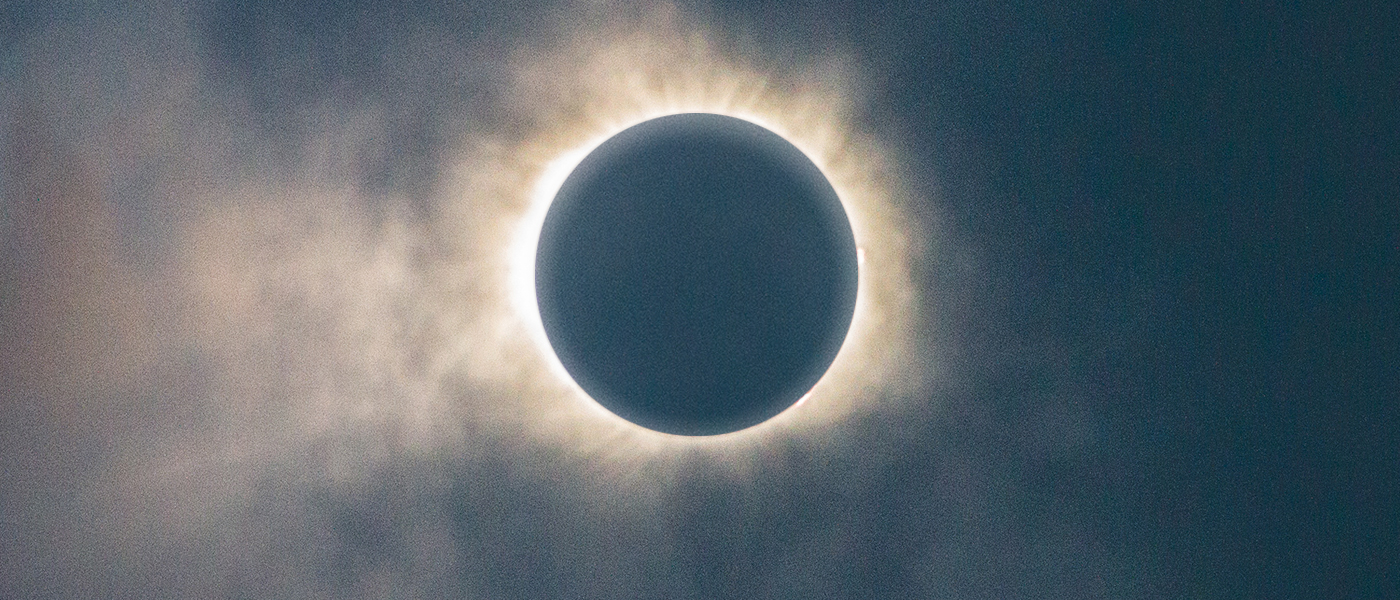
Photo credit: Image by Ken Yan.
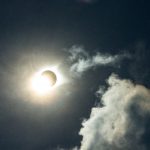 A solar eclipse happens whenever the Moon passes between Earth and the Sun. A total solar eclipse happens when the Moon passes completely between Earth and the Sun.
This results in a narrow shadow zone being cast on Earth that’s known as the path of totality. In the path of totality, you’ll experience all five phases of a total solar eclipse from the first to final contact between the Sun and the Moon.
On April 8th, 2024, the path of totality will move west to east across Mexico, the United States and into Canada. If the weather cooperates, we’ll have a rare opportunity to see part of the Sun’s outer atmosphere (the corona and chromosphere). The bright face of the Sun, known as the photosphere, usually obscures its outer atmosphere.
The last total solar eclipse visible in Hamilton took place January 24, 1925.
After April 8th, 2024, the next total solar eclipse visible in Hamilton won’t happen until October 26, 2144.
The last total solar eclipse in Canada happened in February 1979, with the path of totality crossing through southern Saskatchewan and Manitoba, northwestern Ontario and far northern Quebec.
After 2024, the next total solar eclipse in Canada won’t happen for another 20 years.
To learn more watch this webinar from the Department of Physics and Astronomy’s Dr. Laura Parker.
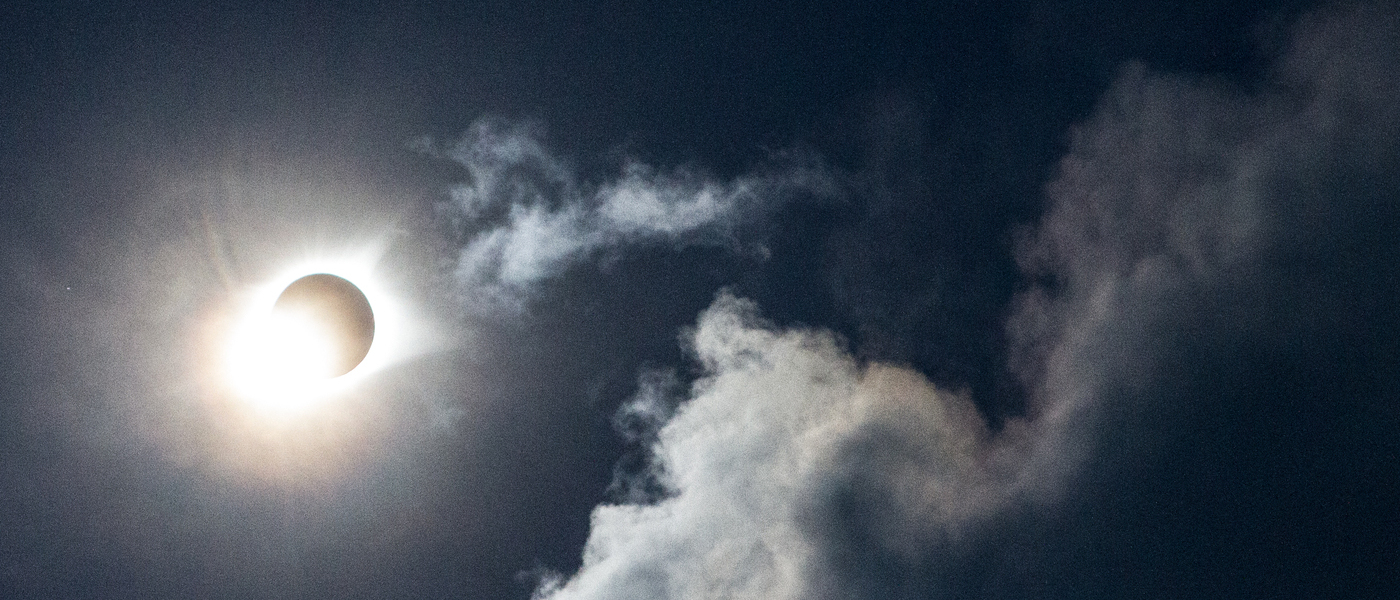
Photo credit: Image by Ken Yan.
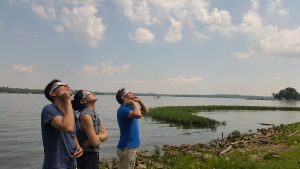
Click here for Indigenous Perspectives – Eclipse and Star Stories Video
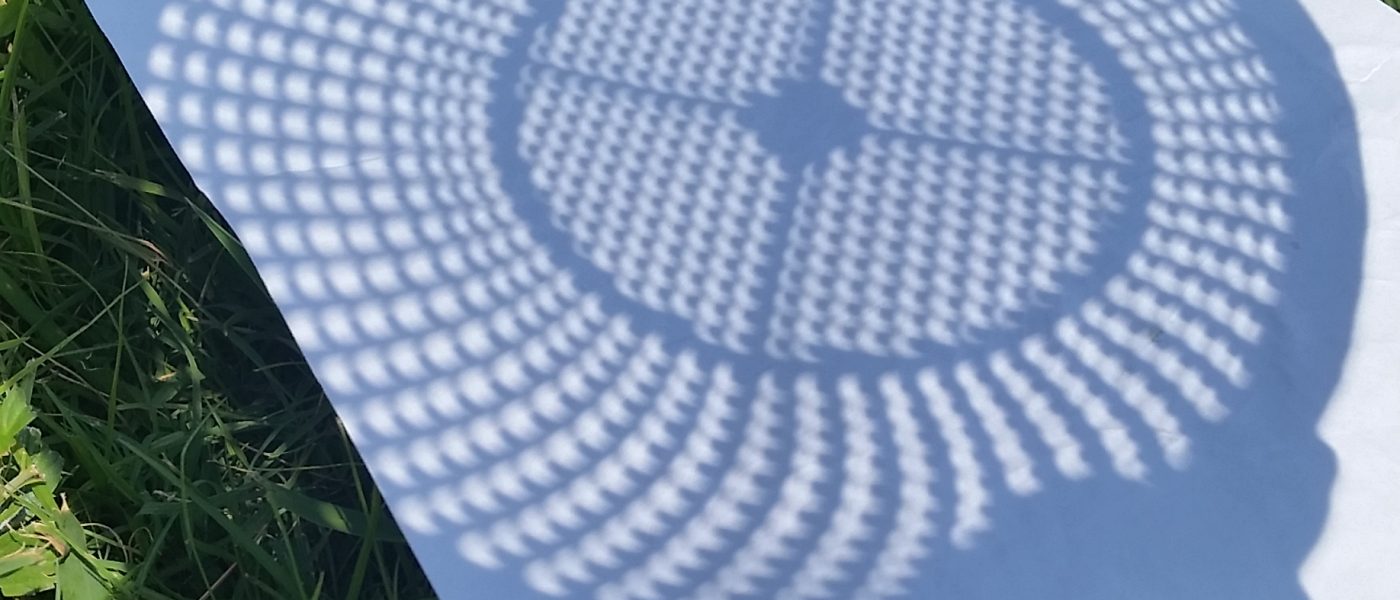
Photo credit: Image by Ken Yan.
-
Eclipse2024.org resources (English)
-
Teacher timeline and checklist (English, French; Discover the Universe)
About solar eclipses
- Lunar and Solar Eclipse Explained: A Beginner’s Guide to Eclipses (youtube.com)
- Why the 2024 Solar Eclipse is Such a Big Deal (youtube.com)
-
How Do You Tell the Difference Between Total, Annular, Solar, and Lunar Eclipses? | Britannica
-
How Often Do Solar Eclipses Occur? (TimeAndDate)
Educational websites and organizations
Montreal planetarium
Information and graphics for the October 14, 2023 annular solar eclipse in English and French as well as for the April 8th, 2024 total solar eclipse in English and French.
Discover the Universe
Discover the Universe supports science education by providing free, bilingual, easily accessed resources for nation-wide teacher training in astronomy. Information and resources are updated regularly for the 2024 Eclipse in English and French. Subscribe to the 2024 Eclipse newsletter to stay informed on all things 2024 Eclipse.
AstroLab
Located in the exceptional landscape of Mont-Megantic National Park, the ASTROLab is an astronomy activity centre devoted to making science accessible. They are providing a remote school program in French as well as other remote and in person activities. (English, French).
Eclipses
An educational website developed by a network of experts in astronomy and science communication. (English, French)
Citizen Science – GAVRT Solar Patrol
Goldstone Apple Valley Radio Telescope – Solar Patrol, GAVRT Solar Patrol — Zooniverse
Citizen Science – Dynamic Eclipse Broadcast (DEB) Initiative
Time and Date
Providing livestreams since 2016 by partnering with astronomers across the globe, Time and Date brings you images from the best locations with fascinating commentary. Stream will start at noon eastern daylight time. LIVE Stream: Total Solar Eclipse April 8, 2024 , and on YouTube: Total Solar Eclipse (Great North American) – April 8, 2024
Exploratorium
For the last 20 years, Exploratorium has partnered with NASA to livestream solar eclipses. For this eclipse, they will be streaming from Texas starting at 2:00 pm eastern daylight time. Watch Live Solar Eclipse Broadcasts | Exploratorium
NASA
NASA’s live broadcast will include coverage from Texas, Indiana, and Ohio. The broadcast will provide a front-row seat to the eclipse and will feature NASA experts across the country explaining the science behind the eclipse and how NASA studies it. NASA Live: Official Stream of NASA TV
There are three important reasons why we should start planning now.
The 2024 total solar eclipse will happen during the middle of the afternoon when most Hamiltonians are at work or coming home from school. It’s important than everyone is prepared and knows how to stay safe during the eclipse. Looking directly at the partial phases of a total solar eclipse without specialized protective eyewear can cause severe eye damage.
We should also expect many visitors on April 8th since most of Ontario, including Toronto, will only experience a partial solar eclipse. Don’t be surprised if out-of-town family and friends ask if they can drop by for the day. There are also people who travel the world to experience total solar eclipses.
And like an Arkells concert or a Ticats game, a total solar eclipse will be an ideal communal experience for Hamiltonians. Other communities that have experienced total solar eclipses bring people together for public celebrations.